Gueydan, Louisiana “Duck Capital of America”
The Duck Capital of America, began with an entrepreneurial Frenchman who purchased 40,000 acres of marshland in Vermilion Parish.

Acadiana’s Gueydan began with an entrepreneurial Frenchmen. Jean-Pierre Gueydan arrived in New Orleans in the mid-19th century and later moved to Abbeville to start a business. In 1896, he purchased 40,000 acres of marshland in Vermilion Parish to grow rice. Because he leased land to local families and the population grew to 250, part of the “Gueydan Pasture” was founded as a village and named for its major landowner. What makes Gueydan popular today is those rice fields, home to migrating and resident ducks popular with hunters. To celebrate the aquatic fowl, the town hosts a long-standing annual festival. This year, the Gueydan Duck Festival (Aug. 27-30) turns 50!
History & Art
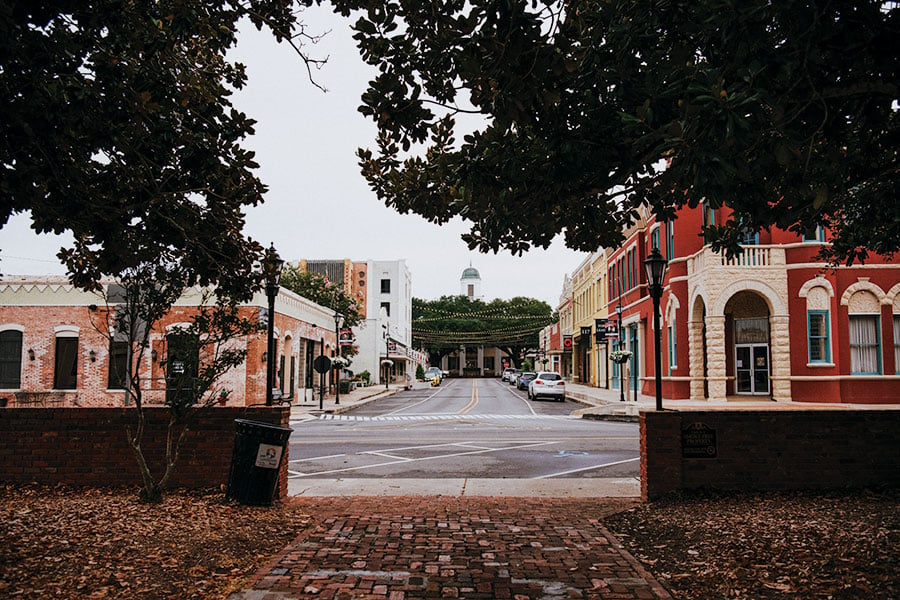
The heart of Gueydan lies along Main Street with its centerpiece the Gueydan Museum and Cultural Art Society in the circa 1902 Gueydan Bank building. The free museum houses a permanent collection of rare photographs and artifacts from Gueydan’s early days, including French antiques from the Gueydan family, as well as changing art exhibits. Over on Fourth Street grows the T.J. Doss Tree, the oldest tree in Gueydan and the father of the oak trees that line the street. Its plaque reads: “From an acorn this giant oak tree was planted by T.J. Doss when he was a young boy in 1903.”

Ducks!
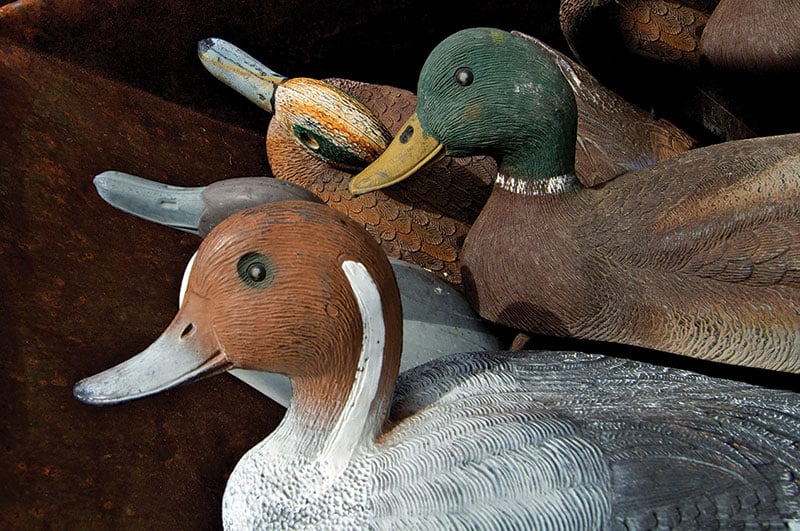
In 1977, the town took the moniker of “Gueydan, Louisiana – Duck Capital of America” and a festival started shortly thereafter. The Gueydan Duck Festival celebrates those 50 years this month with some of the best duck-related entertainment. There will be a duck-and goose-calling contest, duck dash, decoy carving, dog trials and the world’s largest working duck call. Of course, there’s also Cajun food vendors, nightly bands, Junior and Senior Queens pageants, a grand parade and carnival, among much more.
Take a Bike Ride
Bike Highway 91 South and visit the former Gueydan family plantation just past the Gueydan Cemetery with its more than 3,000 burials, many of them historic. Continue south and the marshlands produce a variety of wildlife, including purple gallinules, least bittern herons and little gray herons. And, of course, those famous ducks.